Products
— Explore
A world of taste and traditions
Explore a world of taste and traditions through our fruits, vegetables and spices. From the lush jungles of Thailand to the towering peaks of the Andes in Peru, and from the picturesque Tuscan hills to the fertile soils of the Netherlands, each product reflects the unique story of its origin.
This is a selection of our products, which celebrates the diversity of our planet’s landscapes, climates, and cultures.
Available in Saborichi®
Some of our products may not be available year-round, as stock levels fluctuate due to seasonal changes and unforeseen events.
01 — Citrus
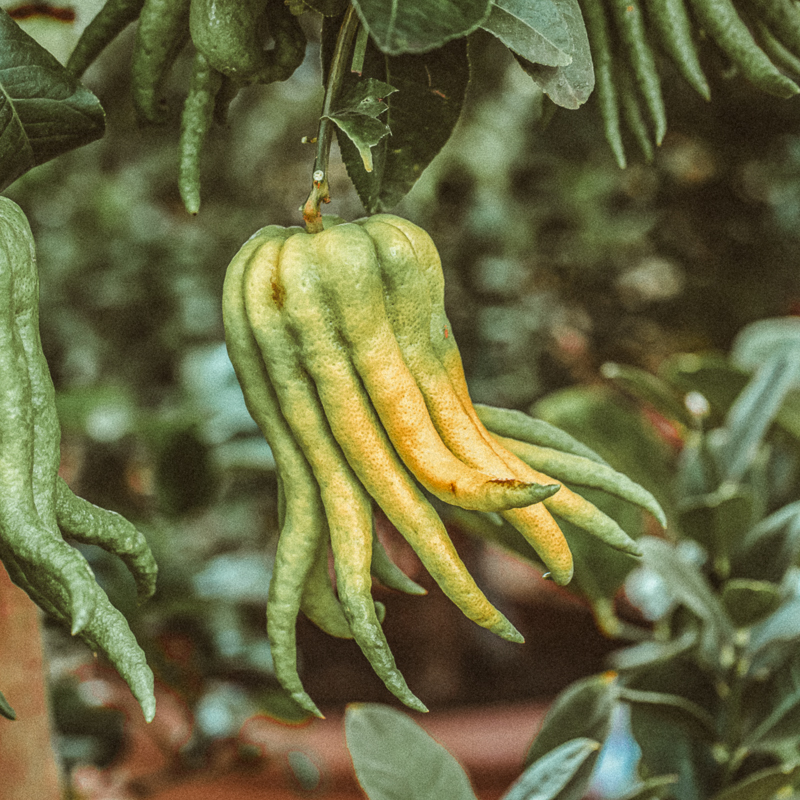
Buddha’s Hand
Buddha's Hand (also known as Buddha Fingers) is a unique and striking citrus fruit, often described as a "wild" variation of a lemon. It holds a sweet, lemony fragrance and contains no juice or pulp. Unlike most citrus fruits, the mild-tasting white part of Buddha's Hand is not bitter, making it entirely edible.
To use Buddha's Hand, simply grate the aromatic peel and incorporate it into your cooking. It adds a delightful citrus flavor to sauces, dressings, desserts, and pastries. As a fragrant alternative to traditional lemon zest, it can elevate a wide range of dishes with its subtle and complex aroma.
01 — Citrus
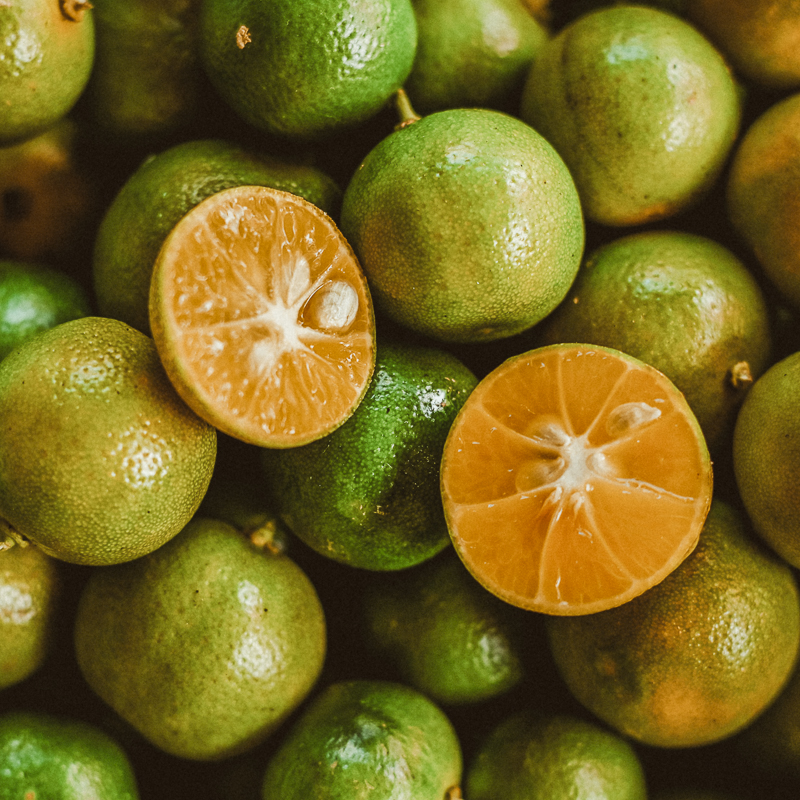
Calamansi
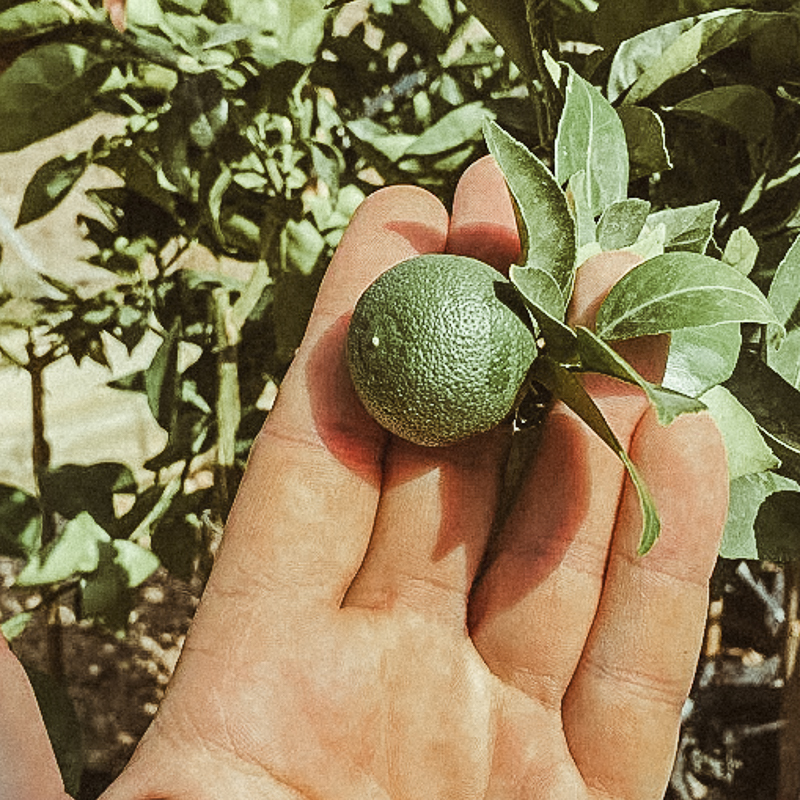
The “lucky ones” who have visited the beautiful Philippines may have had some of that refreshing, orange lemonade. The lemonade is made from calamansi, a small, round citrus fruit. The peel slowly turns from green to yellow-orange, but can be used at any stage. The flesh is bright orange. In northern Indonesia, the fruit is used in authentic recipes. Fish is sprinkled with the juice before cooking to take away the “fish smell.” Kuah asam (“sour soup”) is a regional clear fish broth made with Calamansi juice.
03 — Roots
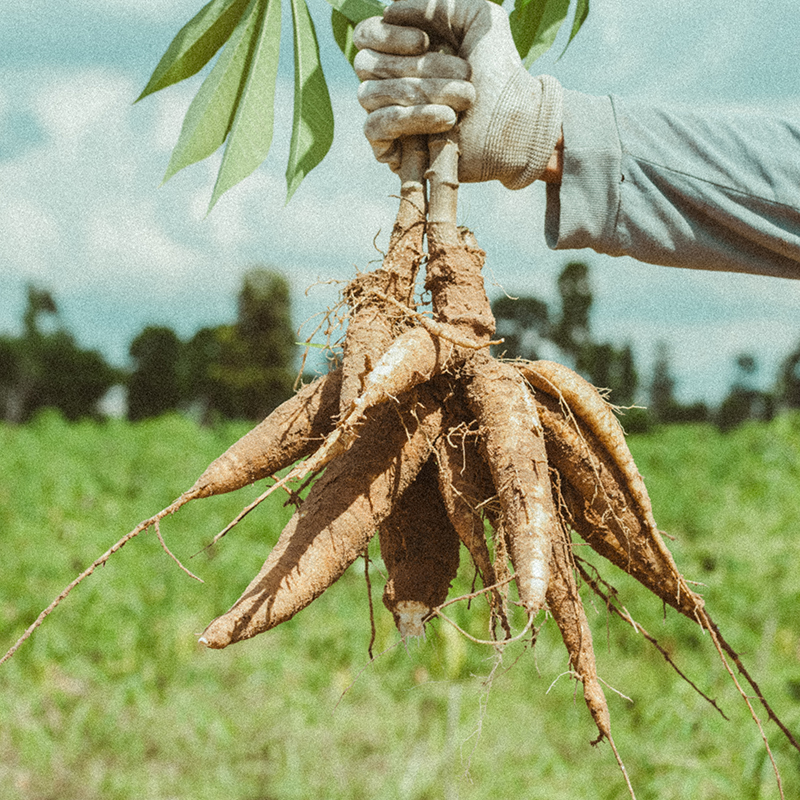
Cassava
Cassava is a large, edible root. Cassava is also known by the names tapioca, manioc or yucca. The taste of cassava can be compared to a potato and it contains a lot of corn starch. Cassava is on the menu every day in large parts of Africa, but also in tropical South America and Southeast Asia.
05 — Coconuts
Easy to Open coconuts
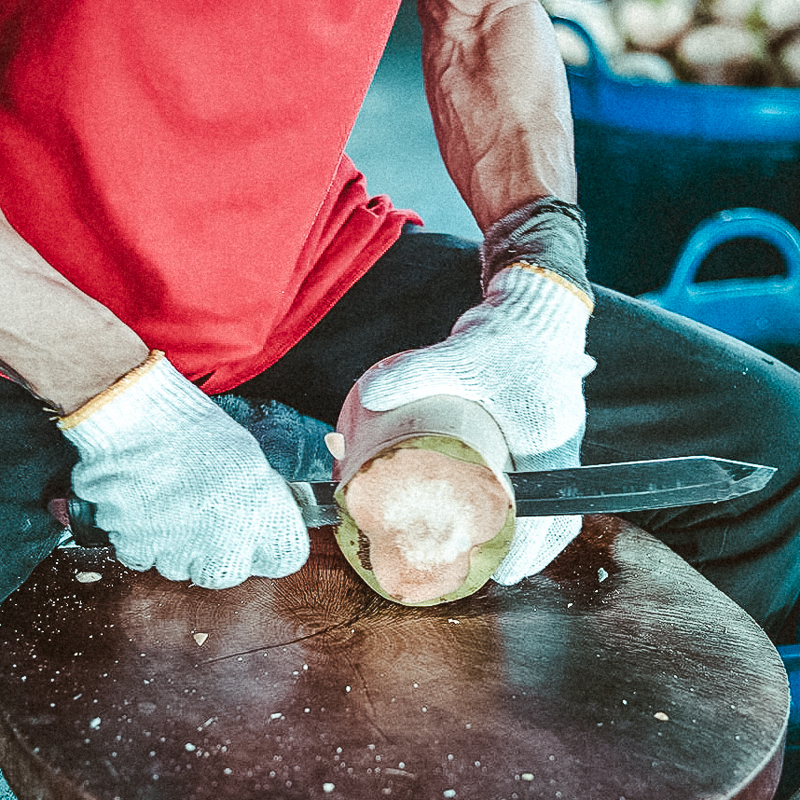
Meet our revolutionary new coconuts with ‘Easy to Open’ system. In a Saborichi wrap for a longer shelf life and accompanied by a bioplastic straw. Just imagine… Opening a delicious coconut effortlessly, with no mess or hassle, anytime, anywhere. With the ‘Easy to Open’ system, sharp knives and heavy hammers are a thing of the past. All you have to do to get to the refreshing coconut water and creamy pulp is turn the coconut around and push it firmly.
03 — Roots
Eddo
Eddo is the root of a tropical plant from the taro family. It has a firm skin and looks like a hairy potato. The taste of the eddo is similar to a potato and is often described as nutty. Eddo can’t be eaten row because its slightly poisonous. But the taste is absolutely worth cooking, baking, frying or steaming first.
02 — Fruit
Figs
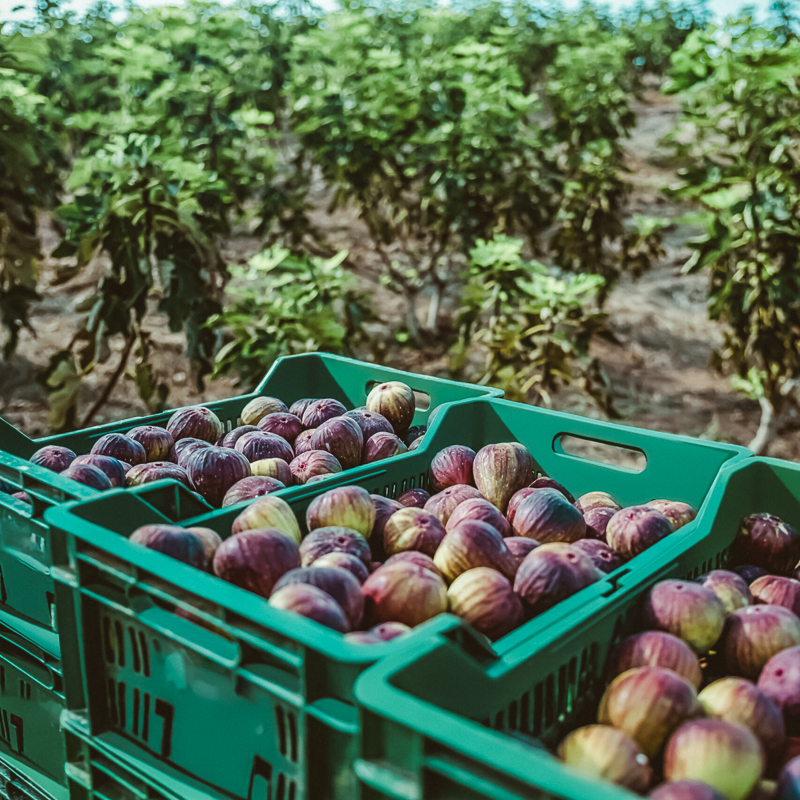
Figs (Ficus carica) are a popular and widely cultivated fruit in Brazil, known for their sweet taste, soft texture, and nutritional benefits. Though originally from the Mediterranean region, figs thrive in Brazil’s warm climate. They combine wonderfully with savory products such as cheese or raw ham. Figs are so-called false fruits: formed from the base of the flower and the flower. The seeds, the skin and the pulp are edible.
01 — Citrus
Fingerlime
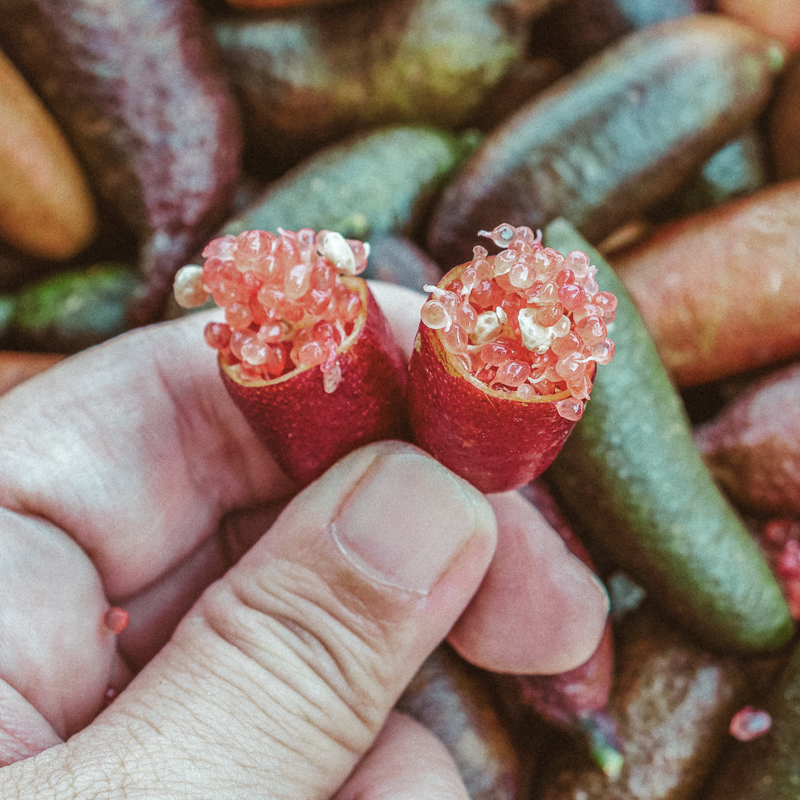
Finger limes can best be described as citrus caviar. Juice bursts from the tiny pearls when bitten, resulting in a fresh-sour taste which resembles a combination of lemon, lime and grapefruit. Finger limes can be used as a substitute of lemon or lime in seafood dishes, desserts and cocktails. Half the fingerlimes and gently push the pearls out. You can also slice them, like you do with a lime.
03 — Roots
Ginger
Ginger is a versatile spice derived from the rhizome of a plant. With its warm, aromatic, and slightly peppery flavor, it's a key ingredient in many cuisines around the world. Ginger is used in savory dishes, desserts, and beverages, adding a distinctive depth to recipes. It can be used fresh, dried, pickled, or ground, making it a culinary staple with a wide range of applications.
02 — Fruit
Horned melon
Horned melon, also known as kiwano, is an exotic relative of cucumber and melon. Its spiky skin not only gives it a striking appearance but also explains its name. Inside this eye-catching fruit are small chambers filled with jelly-like green seeds. These are edible and offer a surprisingly fresh, tangy flavour – perfect for adding a tropical twist to your dish.
01 — Citrus
Kaffir limes
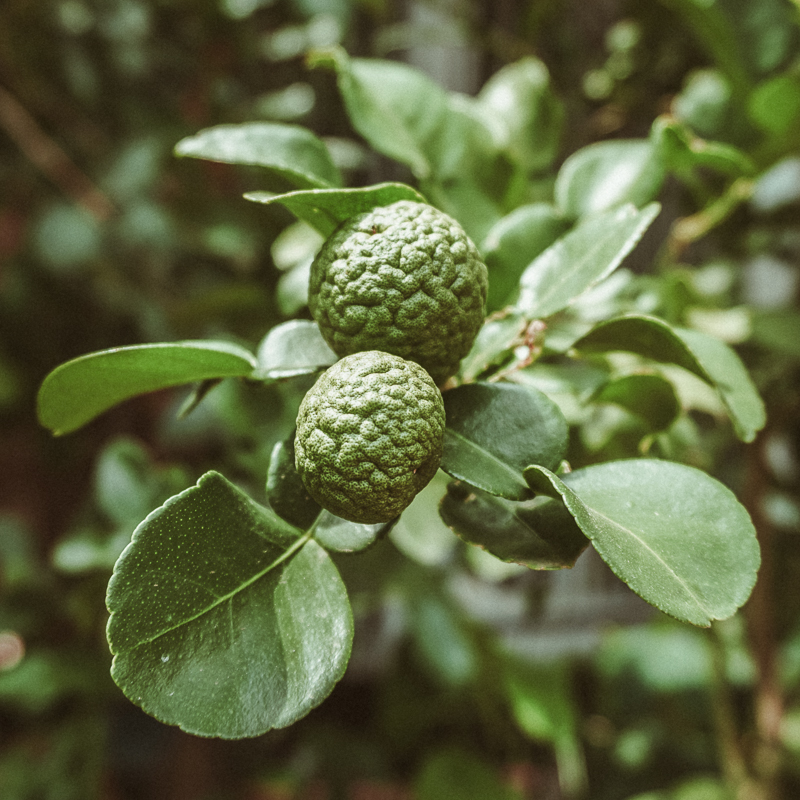
The kaffir lime is all about the zest. This particular wrinkled peel is used for its intense aroma. Not surprisingly is that this wonderful scent is often used in perfumes! But as a flavor to spice your dinner up it is also a beautiful product. You can grate the skin and use it in curries and bumbu, for example.
02 — Fruit
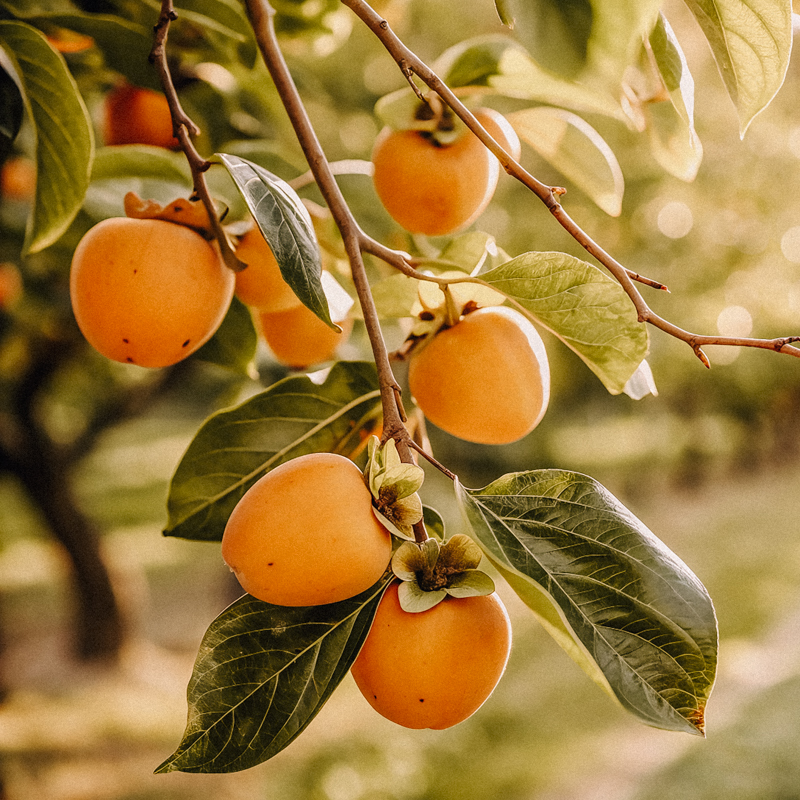
Kaki
Kaki is a cheerful orange fruit with sweet, juicy flesh and a fairly firm skin. In appearance, kaki fruit look a bit like orange tomatoes, but with a taste that is like an apricot or mango. Originally cultivated in East Asia, they have become popular worldwide for both their taste and visual appeal. They are versatile and can be eaten fresh, sliced into salads, or used in desserts and baked goods.
01 — Citrus
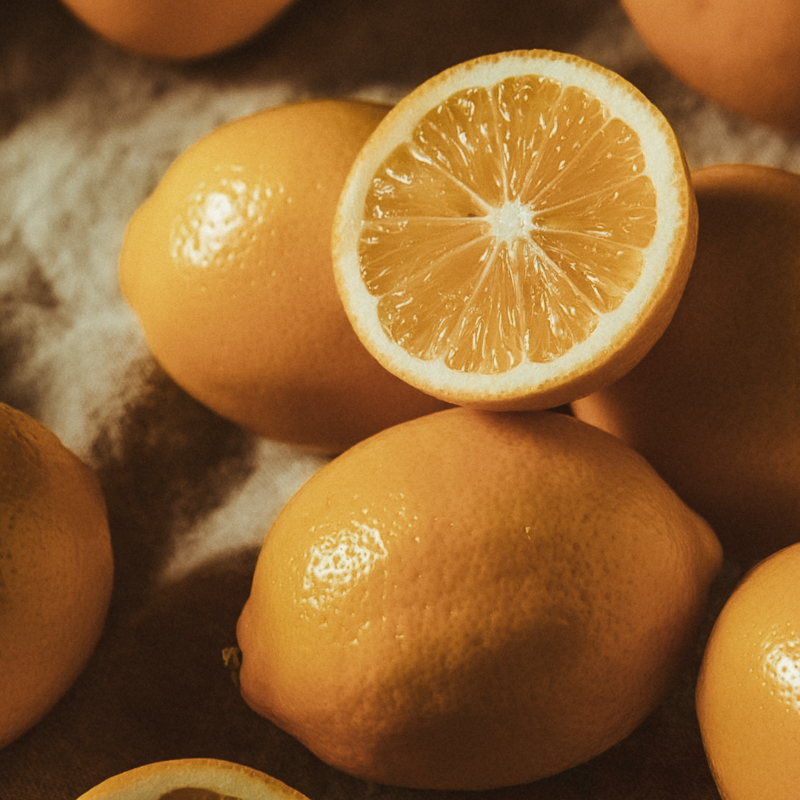
Lemon snacks
This new lemon snack brings together the best of both worlds: the refreshing taste of lemon and the nutritious properties of the peel. With its smaller size and milder acidity, it makes a delicious snack. The edible peel has a sweet-sour taste. But this Lemon Snack is not only suitable as a snack. It’s a versatile fruit whose juice and peel can be used in various dishes.
06 — Spices
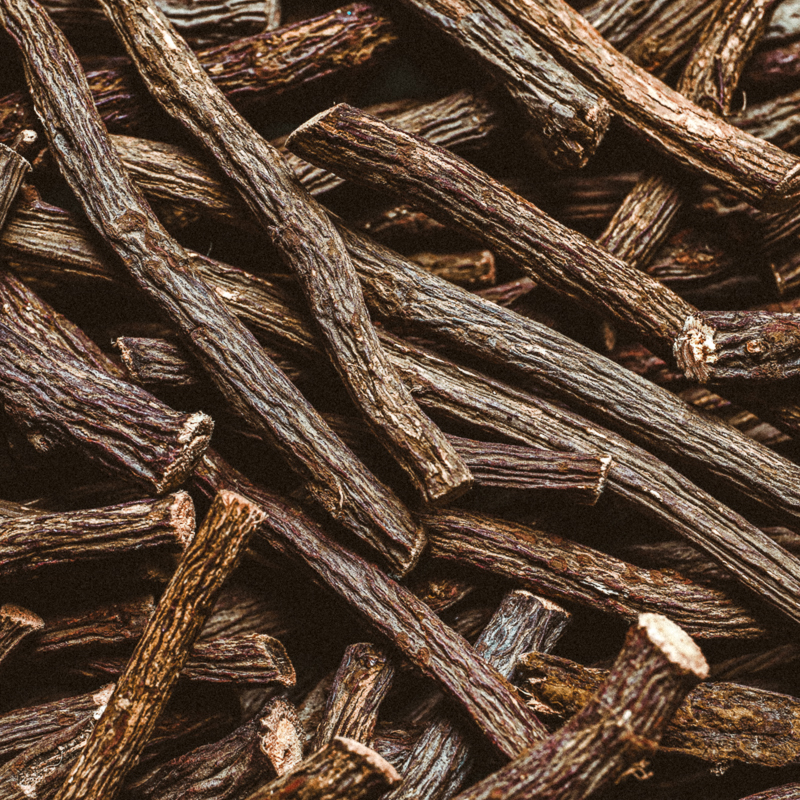
Liquorice
Liquorice is a spice which looks like a small wooden twig and has a strong sweet taste. Liquorice sticks are dried pieces of the underground root of the spicy licorice plant. The sticks have a brown woody color with a pale yellow core. The sweeteness of these sticks is many times stronger than that of sugar, so it is often used as a natural sugar substitute to flavor dishes.
04 — Vegetables
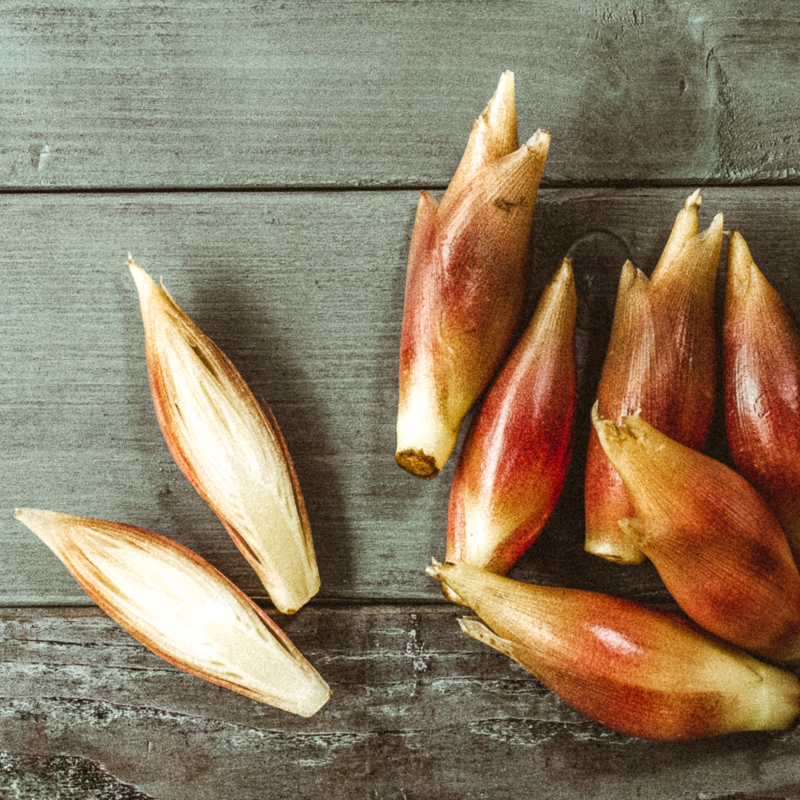
Myoga
Myoga, also known as Japanese ginger, is often referred to as ginger's little sister. It's celebrated for its delicate, beautiful flower buds, which grow directly from the ground. If left to mature, these buds will blossom into charming flowers. The flavor of myoga is similar to ginger but much milder, with a subtle sharpness.
02 — Fruit
Pitahaya
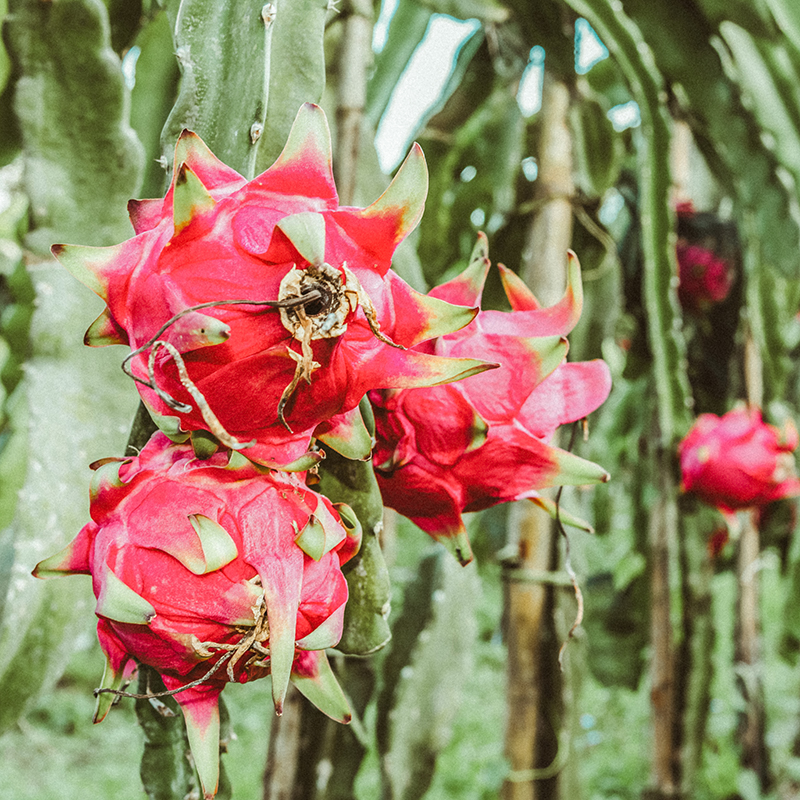
This beautiful, scaly cactus fruit is one of the pitahaya brothers; also called “dragonfruit”. The inside of the pitahaya consist of white, slightly sweet and aromatic pulp. The seeds provide a tasty, crunchy texture. You can store a ripe pitahaya in the fridge for a couple of days, but it’s best to eat it as soon as possible. An unripe pitahaya can be left at room temperature to ripen.
02 — Fruit
Plantain
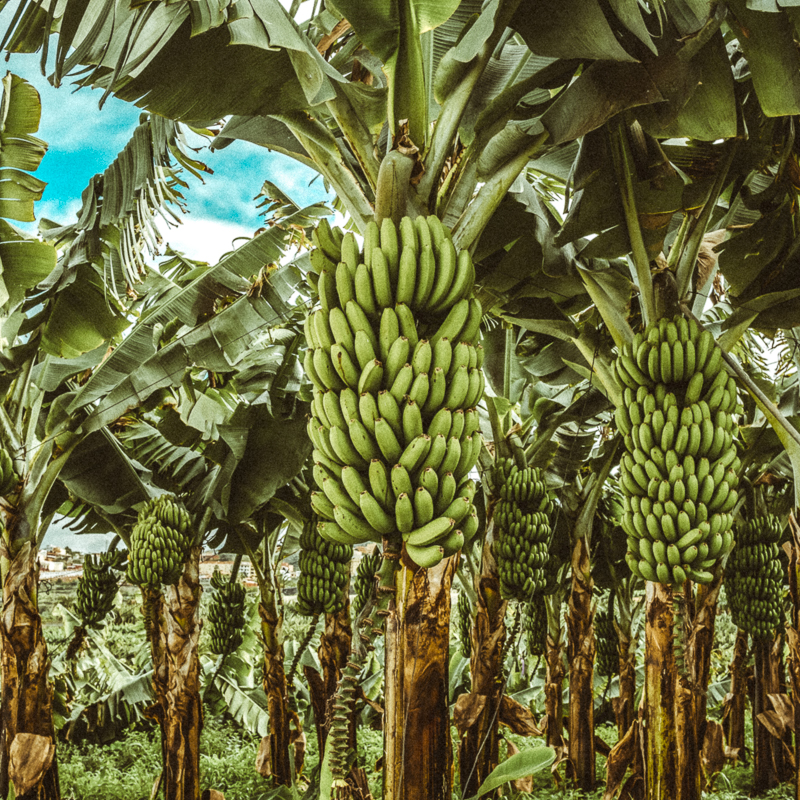
Plantains are a tropical fruit closely related to bananas, yet they differ significantly in taste, texture, and culinary uses. Plantains look similar to bananas but are generally larger, with thicker skin that varies in color from green (unripe) to yellow and black as they ripen. Unripe plantains are starchy and firm, similar to potatoes, making them ideal for savory dishes. As they ripen, they become sweeter and softer, making them suitable for desserts and sweet preparations.
02 — Fruit
Salak
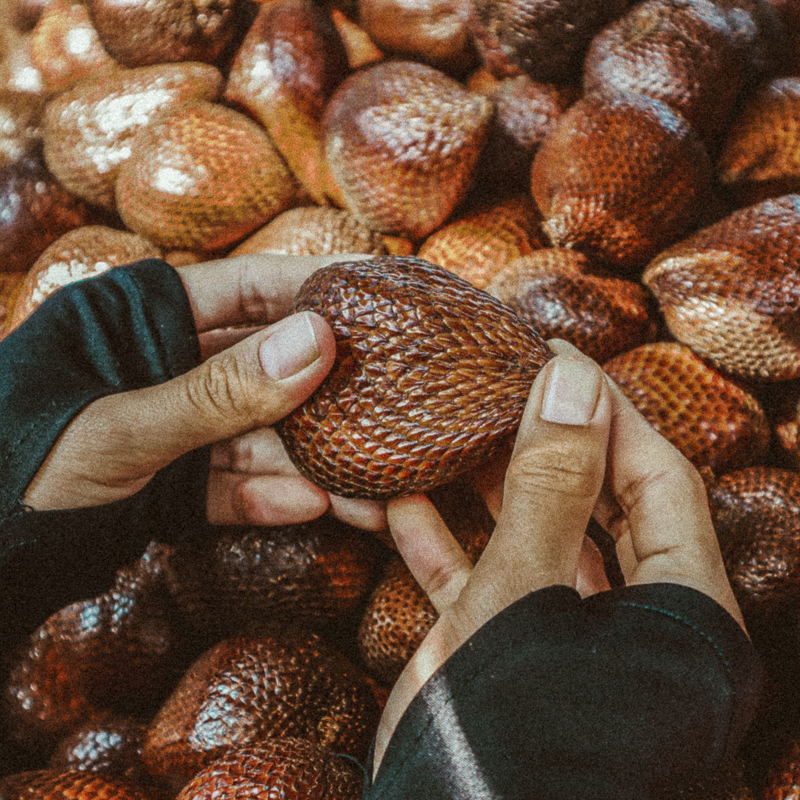
This special fruit immediately draws your attention with its snake-like skin. Under the stiff skin there are a number of white, crispy parts, the taste of salak can best be compared to pineapple. Salak originally comes from the swamps in Malaysia, Sumatra & Java. In those countries eating Salak is as eating an apple in the western world. The fruit grows on palm trees which are settled on volcanic soil.
06 — Spices
Star anise
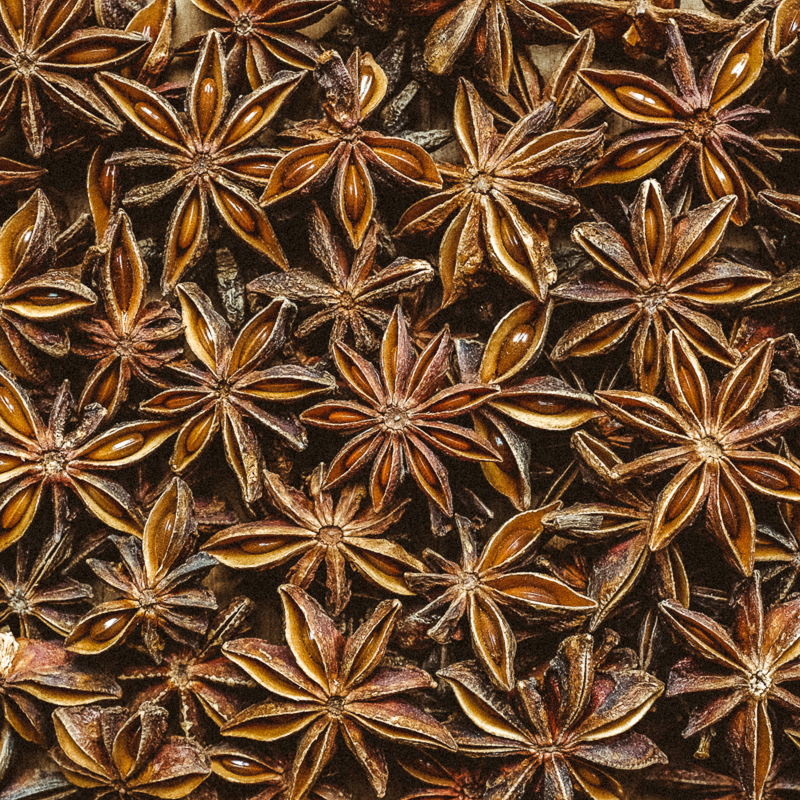
Star anise is a distinctive spice celebrated for its striking star-shaped appearance and aromatic, licorice-like flavor with a sharp, vibrant edge. Recognizable by its deep brown hue and seeds nestled in each pointed arm, the true essence of star anise lies in its outer skin, not the seeds themselves. It can be used whole or ground to infuse soups, stews, and curries with its warm, bold flavor. Thanks to its elegant shape, star anise also serves as a beautiful garnish for desserts or spicy cocktails.
02 — Fruit
Thai Green Eggplant
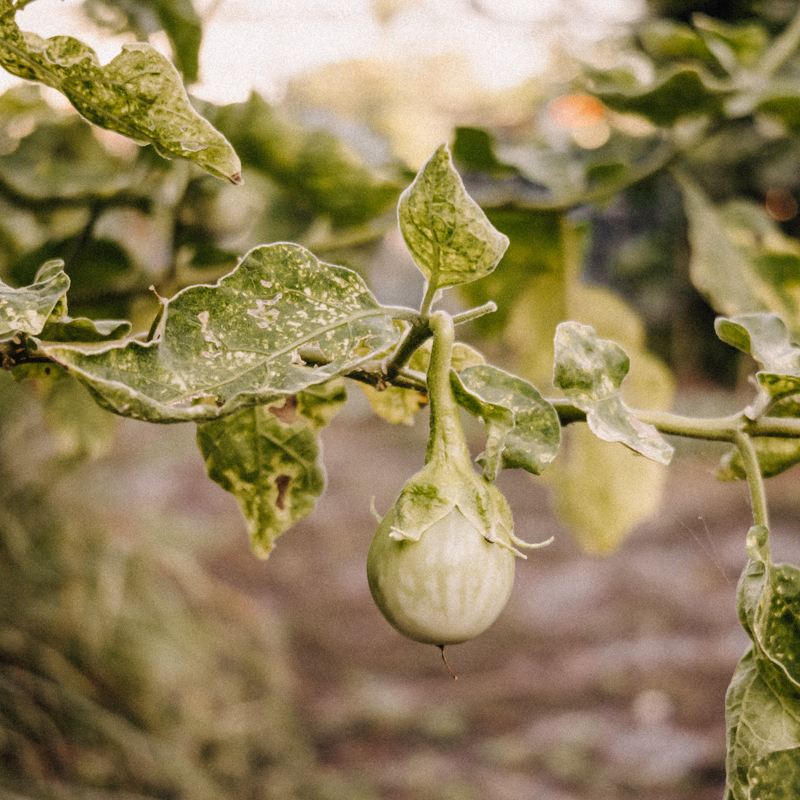
Thai Green Eggplants are small, round vegetables that play a key role in Thai cuisine. Known for their vibrant green color and slightly bitter taste, they add both texture and depth to a variety of dishes. Unlike the larger, purple eggplants commonly found in Western cooking, these bite-sized varieties have a firm, crisp flesh that softens when cooked. They are most famously used in traditional Thai green curry, where they absorb the rich, aromatic flavors of coconut milk, herbs, and spices.
01 — Citrus
Tiger lemons
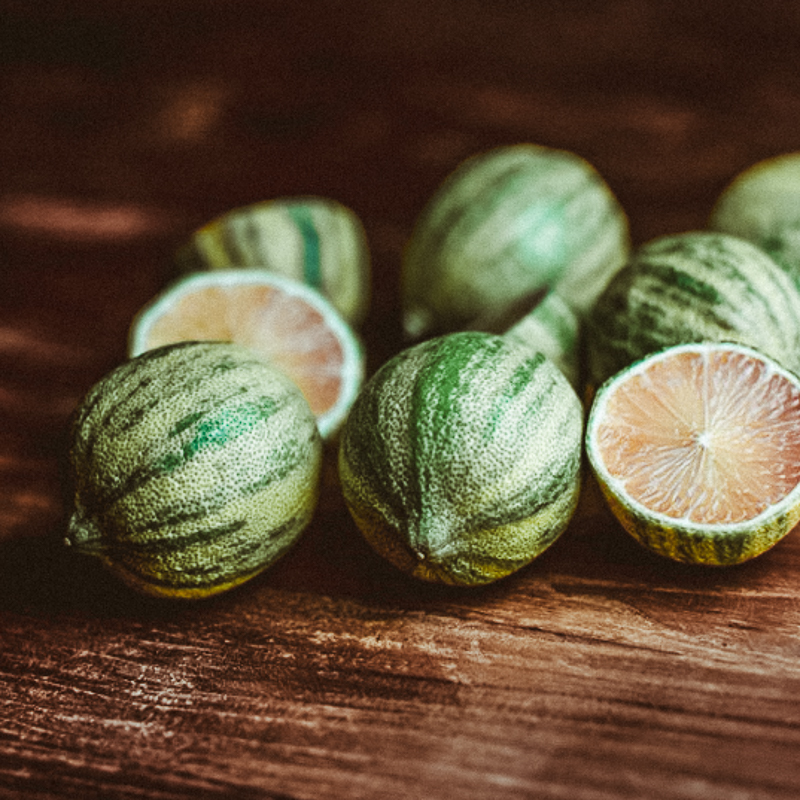
Tiger lemon is a lemon with a bold appearance! With its remarkable green-yellow striped skin it is easy to guess how this citrus fruit got its name, but the tiger lemon also continues to surprise on the inside: the flesh has a beautiful soft pink colour. Unique, full of flavour and great to use in various culinary dishes, desserts and drinks!
06 — Spices
Tonka beans
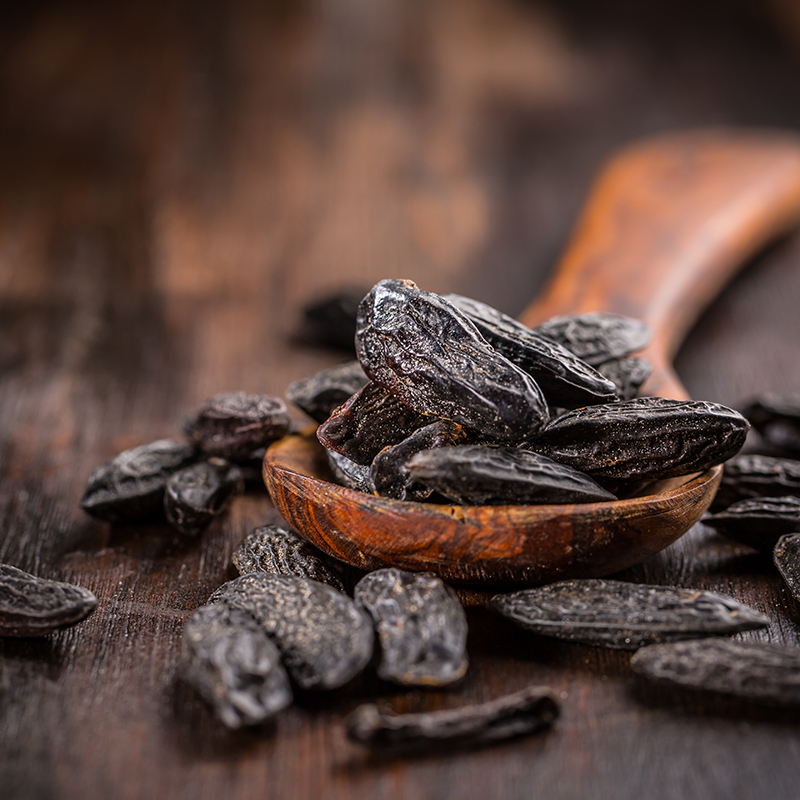
Tonka beans are dried seeds from the Cumaru tree, which is found in South America. The oval-shaped beans have a black, wrinckled exterior and a smooth, brown interior. These exotic beans have a rich, complex aroma and flavour that resembles vanilla, caramel and almond. By adding a small amount of grated tonka beans, your dish will gain a deep, intense flavour!
06 — Spices
Vanilla beans
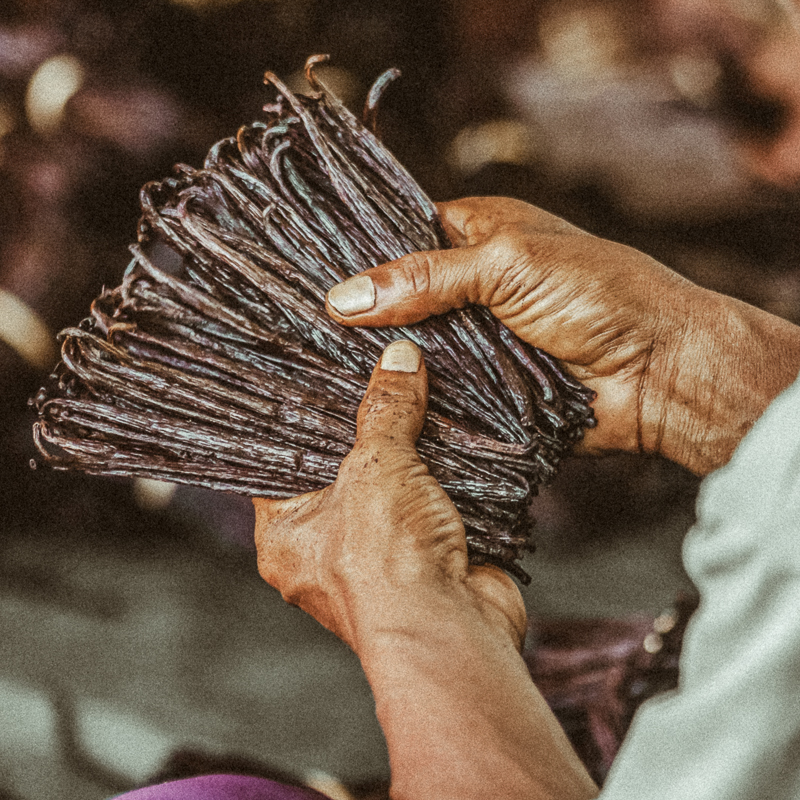
Vanilla beans are the seed pods of the vanilla orchid and are known for their rich, aromatic, and sweet flavor. They are an essential ingredient in a wide range of culinary creations. Their properties have made them a staple in desserts, beverages, and various other dishes around the world.
03 — Roots
Wasabi
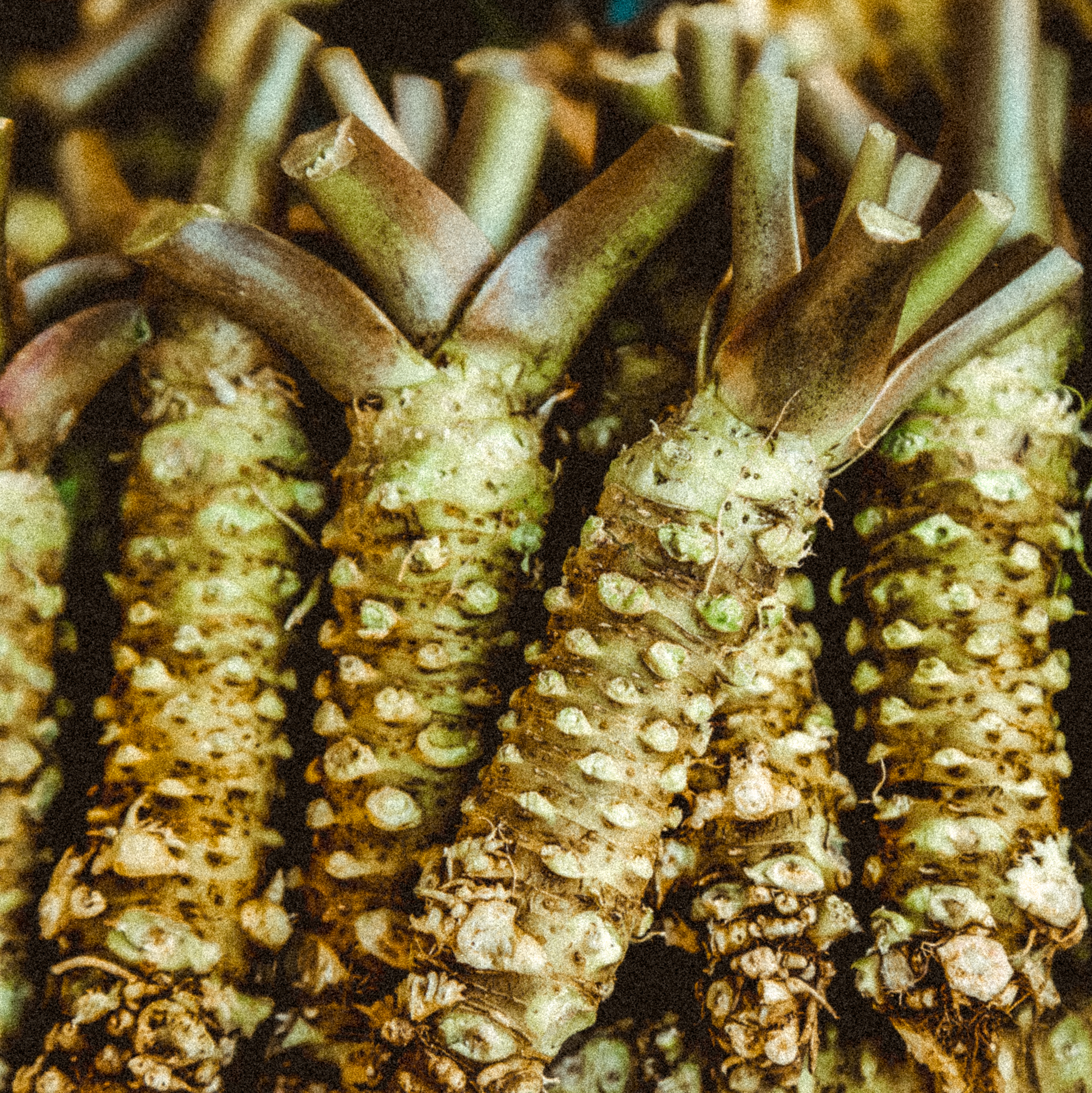
Freshly grated wasabi transforms any dish into an unforgettable experience. Unlike the imitation paste often found elsewhere, true wasabi has a complex, mild heat and a bright, grassy flavor that enhances sushi, sashimi, and other dishes without overpowering them. Its cultivation is labor-intensive, making it a luxury ingredient cherished for its authenticity and unique taste.
01 — Citrus
Yuzu
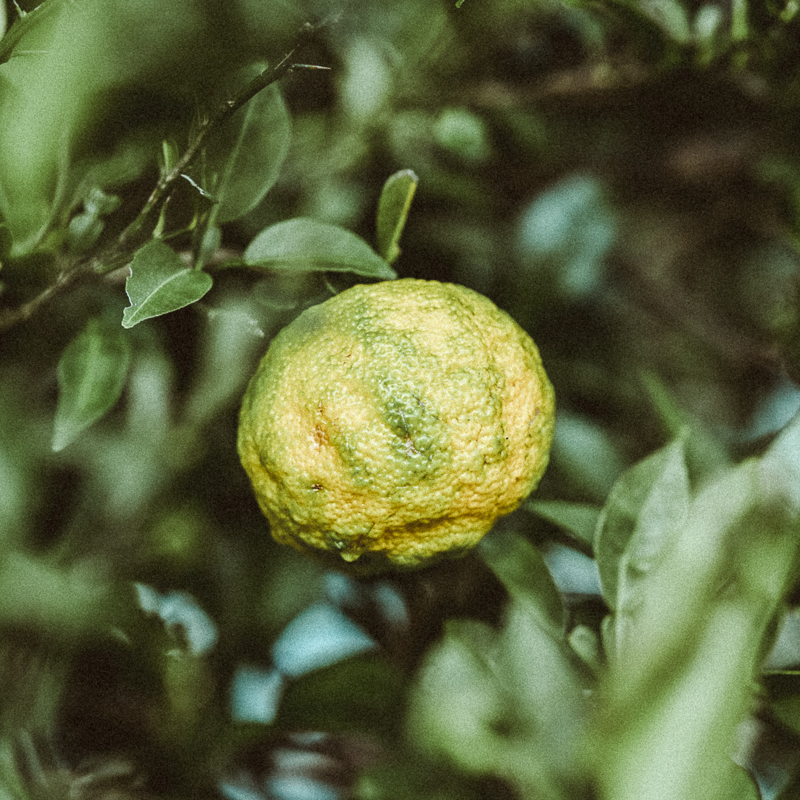
Yuzu is a citrus fruit with a bumpy skin, which contains an aromatic taste and thus gives beautiful accents to dishes. The most famous use of Yuzu is the Japanese Ponzu sauce. Yuzu is also used for bathing during cold winter months. The peel then gives off a wonderful aroma and warmth that would reduce the cold and relax the mind. This is called yuzuyu.